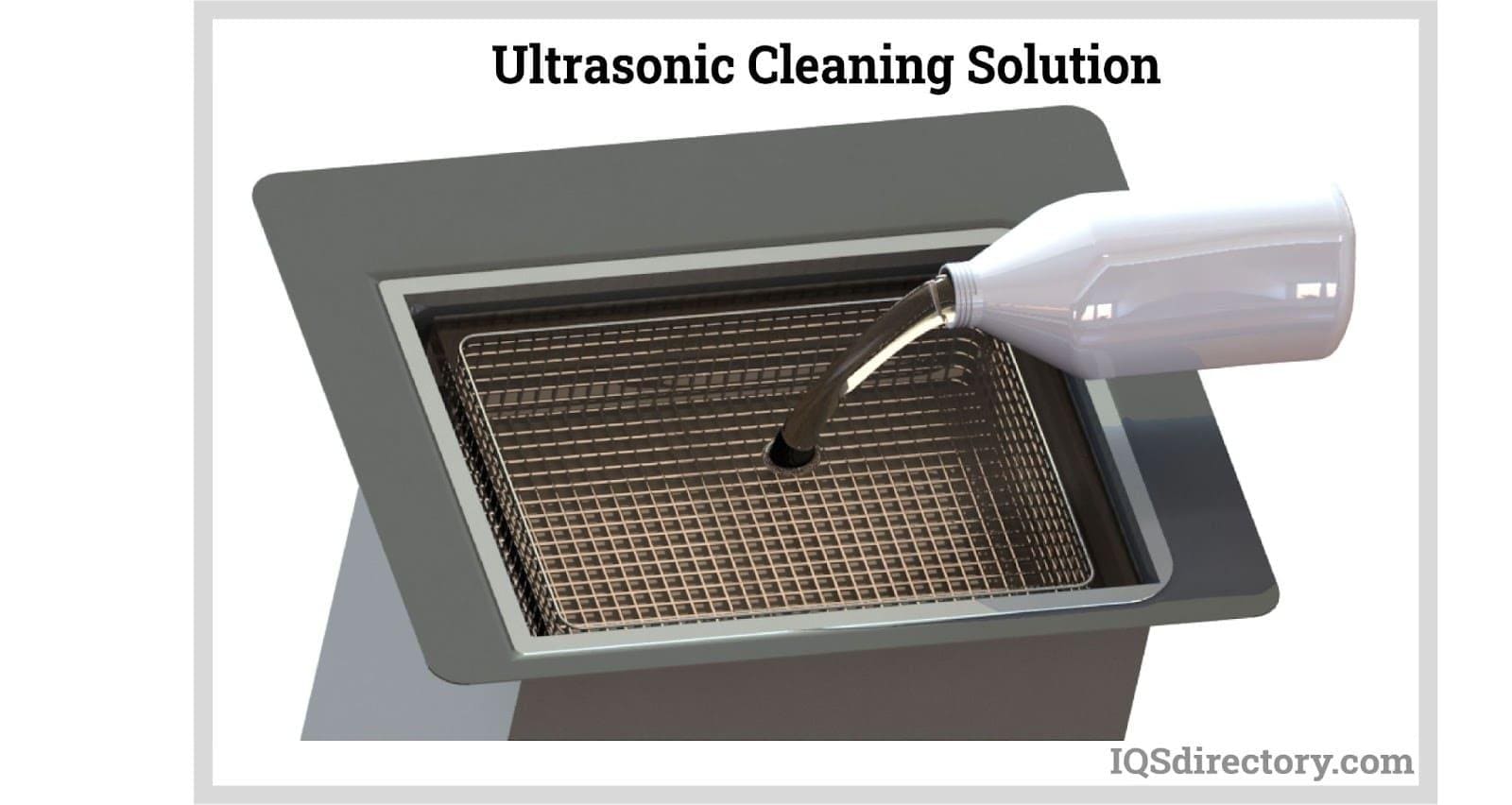
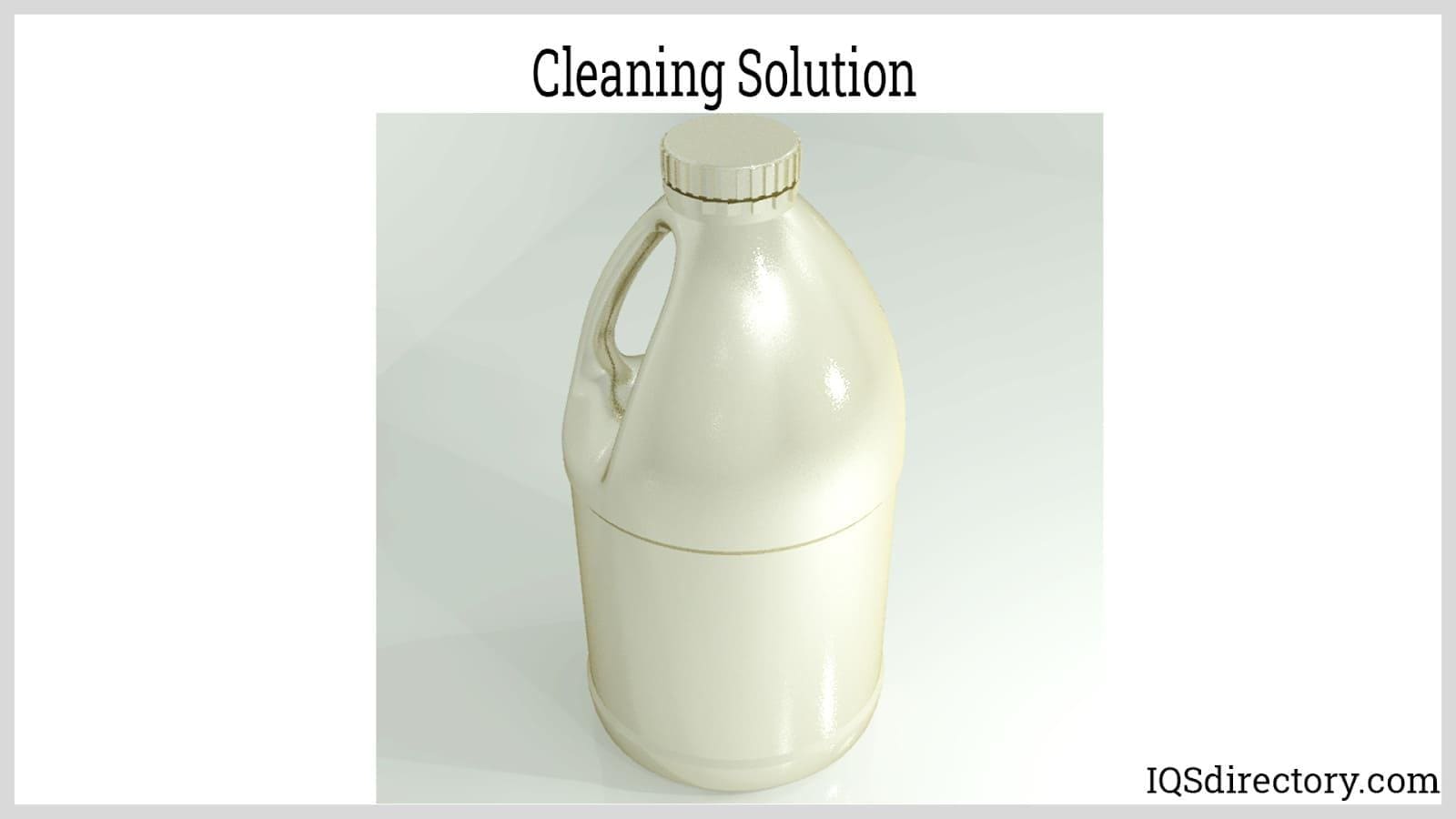
Both water-based solvents and solvents with chemical or organic constituents are used in ultrasonic cleaning solutions. However, detergents and surfactants, or wetting agents that lessen water’s surface tension, make up the majority of them. Additionally, cleaning solutions are selected based on how well they flow. When the fluid is stagnant, standing wave patterns are easier to generate, which increases the cavitation strength. Read More…
Since 1972, Esma Inc. has been producing quality ultrasonic cleaners, as well as benchtop electropolishing equipment. Esma offers a unique and progressive approach to automating the ultrasonic cleaning process.
Giant Finishing, Inc. is a worldwide manufacturer and supplier of finishing equipment. We are a family owned business with over 25 years of experience in the industry. Our goal is to provide quality equipment and quality customer service for all surface finishing needs, and we supply equipment, chemicals, compounds, and finishing media to companies around the world. Visit our website or call us...

Great Lakes Finishing Equipment, Inc. is a full line supplier of aqueous and semi-aqueous ultrasonic cleaning equipment. Equipment includes benchtop cleaners, tank and generator series, immersible transducers, console systems and engineered systems. Our customers include defense, aerospace, medical, firearms and industrial.
We specialize in ultrasonic cleaning technology that redefines precision and efficiency across industrial applications. At Emerson, we design and manufacture advanced ultrasonic cleaning equipment engineered to remove contaminants from complex parts with unmatched thoroughness.

At SHARPERTEK USA, we specialize in delivering advanced ultrasonic cleaning equipment that meets the highest standards of precision, reliability, and performance. Based in the United States, we design and manufacture a full line of ultrasonic cleaners that serve industries ranging from medical and dental to aerospace, automotive, and industrial manufacturing.
We take pride in being innovators at Mettler Electronics Corp, where we specialize in developing high-performance ultrasonic cleaning equipment trusted by professionals across industries. Our systems are designed to deliver powerful, precise cleaning through advanced ultrasonic technology that removes contaminants from intricate surfaces with efficiency and care.




More Ultrasonic Cleaning Solution Manufacturers
Ultrasonic Cleaning Solution: Comprehensive Guide for Buyers and Industry Professionals
Ultrasonic cleaning solutions are specialized liquids formulated for use in ultrasonic cleaners—devices that leverage high-frequency sound waves to remove contaminants from a wide array of materials and components. These solutions are a cornerstone of modern precision cleaning in industries ranging from automotive and aerospace to healthcare, electronics, and manufacturing. Selecting the right ultrasonic cleaning fluid is as important as choosing the ultrasonic cleaning machine itself, as the solution impacts cleaning efficiency, safety, compatibility, and cost-effectiveness.
How Do Ultrasonic Cleaning Solutions Work?
Ultrasonic cleaning utilizes the process of cavitation, where ultrasonic waves create microscopic bubbles in the cleaning liquid. These bubbles implode with great force, dislodging dirt, grease, oil, oxidation, and other unwanted residues from surfaces—even in crevices, blind holes, and intricate geometries that traditional cleaning methods cannot reach. The effectiveness of this process is greatly enhanced when the correct ultrasonic cleaning solution is used, as it optimizes the removal of specific contaminants while protecting the underlying material.
Temperature Guidelines and Chemical Safety in Ultrasonic Cleaning
The ultrasonic cleaning solution is typically heated to over 100 degrees Fahrenheit (37.7 °C) to boost cleaning performance. However, safety and material compatibility are critical. Flammable cleaning solutions are strictly avoided due to the risk of fire, and strong acids or bleach are rarely used because they can corrode stainless steel tanks, degrade plastics, and endanger operators. Instead, synthetic cleaning solutions—either moderately alkaline or neutral—are recommended for delicate substrates such as glass, ceramics, and plastics. Meanwhile, highly caustic solutions may be necessary for industrial metals like stainless steel, iron, and magnesium, but should be handled with proper safety precautions and only when compatible with the material being cleaned.
Types and Applications of Ultrasonic Cleaning Solutions
Choosing the optimal ultrasonic cleaning fluid for your application requires careful assessment of the item’s material, the nature of the soil or contaminant, and the desired level of cleanliness. Ultrasonic cleaning technology is widely used for:
- Watches, jewelry, and precious metals
- Industrial parts and automotive components
- Dental and surgical tools
- Medical equipment and laboratory glassware
- Electronics such as printed circuit boards (PCBs)
- Optical components and lenses
- Firearm and gun cleaning
- 3D printed parts, molds, and dies
Each application may require a different ultrasonic cleaning detergent or solution formulation to remove contaminants such as oils, greases, waxes, carbon residues, flux, fingerprints, or biological debris. Understanding the chemistry behind each type of solution helps ensure optimal results and protects valuable assets.
Aqueous Solutions: The Industry Standard
Aqueous ultrasonic cleaning solutions—commonly referred to as ultrasonic degreasers—are water-based, solvent-free formulations. They are the most widely used in both industrial and commercial ultrasonic cleaning due to their safety, environmental friendliness, and versatility. Aqueous solutions are ideal for:
- General metal cleaning (e.g., stainless steel, carbon steel, copper, brass, magnesium)
- Cleaning plastics, ceramics, and composite materials
- Removing light to moderate oils, greases, and particulate soils
- Batch and high-throughput cleaning processes
One major advantage is the ability to heat these solutions, which accelerates contaminant removal and enhances cleaning power. However, be cautious when cleaning sensitive plastics or heat-sensitive components, as elevated temperatures can cause warping or damage.
Where Are Water-Based Solutions Used?
Solvent-free ultrasonic cleaning solutions are the top choice for a broad range of industrial cleaning applications, including:
- Parts finishing and detailing
- Metal finishing and surface preparation
- Pre-treatment before coating, painting, or plating
- Degreasing and removal of machining fluids
- Batch processing in manufacturing lines
- Cleaning complex parts with internal crevices, holes, or fine threads
Looking for tips on how to choose the best ultrasonic cleaning solution for your specific part or process? Contact a supplier or request a product sample to test cleaning efficacy before committing to a large purchase.

Alkaline Solutions: Heavy-Duty Cleaning Power
Alkaline ultrasonic cleaning solutions feature a pH of 10 or higher. More aggressive formulas may contain caustic soda or other strong bases to tackle stubborn contaminants. These solutions are highly effective for:
- Cleaning industrial metals such as cast iron, steel, aluminum, zinc, copper, brass, and tin
- Removing carbonaceous residues, heavy grease, and burnt-on soils
- Glassware and ceramic cleaning
- Some plastics and composite materials
Moderately alkaline solutions (pH 11.0–12.5) are compatible with most metals and can often be used without risk of corrosion or etching. Always check manufacturer guidelines for material compatibility.

High Caustic Solutions: For the Toughest Challenges
For especially difficult cleaning tasks, high caustic ultrasonic cleaning solutions—formulated with hydroxides and silicates—are used to strip thick greases, heavy waxes, and stubborn residues from robust metals like cast iron and steel. However, these highly alkaline solutions should only be used when milder options have proven ineffective, as they can damage sensitive metals or finishes. For magnesium and similar materials, opt for a mild acidic or material-specific solution to avoid pitting or corrosion.
Acidic Solutions: Targeted Deoxidation
Acidic ultrasonic cleaning solutions (pH 5.0 or lower) are tailored for removing oxides, scale, rust, and mineral deposits from metals. These solutions are often used in:
- Descaling heat exchangers and condensers
- Restoring corroded tools or parts
- Removing limescale from laboratory glassware
- Cleaning jewelry and precious metals
Because some acids can also attack the base material, always use formulations that include corrosion inhibitors and consult with the solution manufacturer for material-specific advice.
Enzymatic Solutions: Safe and Effective for Biological Debris
Enzymatic ultrasonic cleaning solutions are specifically designed to break down protein-based contaminants. Commonly used in the medical, dental, and food processing industries, these solutions contain enzymes that digest blood, tissue, fat, and other organic residues. Typical applications include:
- Cleaning surgical instruments and dental tools
- Removing biological debris from laboratory glassware
- Preparing reusable medical devices for sterilization
Enzymatic solutions are generally safe for use on stainless steel, titanium, aluminum, brass, and most lab-grade plastics and glass. Always ensure compatibility with the items being cleaned and follow recommended dilution and temperature guidelines.
Deionized Water: Pure and Gentle Cleaning
Deionized (DI) water is an excellent choice for materials that require ultra-gentle cleaning or where residue from detergents must be avoided. It is suitable for:
- Delicate electronics and printed circuit boards
- Optical components and camera lenses
- Fabrics, hard rubber, epoxies, and plastics
- Medical and laboratory instruments requiring residue-free rinsing
Note that some components, especially those prone to rapid oxidation, should be immediately dried or placed in a wetting solution post-cleaning to prevent corrosion. For sensitive electronics, ensure that all components are fully dry before reuse.
Benefits of Using Ultrasonic Cleaning Solutions
- Consistent, repeatable cleaning results—even in hard-to-reach areas
- Reduced labor and manual scrubbing, increasing productivity
- Lower chemical consumption compared to traditional cleaning methods
- Environmentally friendly options, particularly with aqueous and enzymatic solutions
- Protection of sensitive parts through non-abrasive cleaning
- Fast turnaround times for high-throughput operations
- Improved workplace safety by minimizing exposure to harsh solvents
Buyer’s Guide: How to Select the Right Ultrasonic Cleaning Solution
With a large variety of ultrasonic cleaning fluids available on the market, making the right choice depends on several key factors. To ensure maximum efficiency and safety, consider the following:
- Material compatibility: Is your item made from metal, plastic, glass, ceramic, or composite? Check the solution's recommended applications.
- Type of contamination: Are you removing oils, greases, carbon, biological debris, or oxides?
- Required cleaning strength: For light soils, aqueous or enzymatic solutions may suffice. For tough residues, consider alkaline or high caustic options.
- Environmental and safety requirements: Does your facility require solvent-free or biodegradable solutions?
- Industry regulations: Are there standards (such as ISO or FDA) that your process must comply with?
- Cost and availability: What is your budget, and do you require bulk quantities or specialty formulations?
Still unsure which ultrasonic cleaner solution is right for your operation? Ask an expert or request a technical datasheet and safety information from your supplier.
Use Cases and Industry Applications of Ultrasonic Cleaning Solutions
Ultrasonic cleaning is a critical process in numerous sectors. Here are some common industry-specific applications and the solutions best suited for each:
- Automotive & Aerospace: Degreasing engine components, transmission parts, fuel injectors, and hydraulic assemblies. Use strong alkaline or solvent-based ultrasonic solutions for heavy oils and carbon.
- Medical & Dental: Cleaning surgical instruments, dental equipment, and reusable medical devices. Enzymatic and neutral pH solutions are preferred for delicate and proteinaceous soils.
- Electronics Manufacturing: Cleaning PCBs, connectors, and microelectronic assemblies. Use deionized water or specialty low-conductivity solutions for residue-free results.
- Jewelry & Watchmaking: Polishing precious metals, gemstones, and watch components. Mild acidic or neutral solutions preserve finishes without tarnishing.
- Industrial Manufacturing: Removing machining fluids, polishing pastes, and particulate soils from metal parts. Alkaline or aqueous solutions excel here.
- 3D Printing & Additive Manufacturing: Post-processing and resin removal from printed parts. Specialty aqueous solutions tailored for photopolymer or thermoplastic materials.
Frequently Asked Questions About Ultrasonic Cleaning Solutions
- What is the best ultrasonic cleaning solution for aluminum? For aluminum parts, use a mildly alkaline or neutral pH solution to avoid etching. Always confirm compatibility with your supplier.
- Can I use regular soap or dishwashing liquid in an ultrasonic cleaner? While possible for light cleaning, commercial ultrasonic cleaning detergents are formulated for superior results, material safety, and residue-free performance.
- How often should I change my ultrasonic cleaning solution? Change the solution when it becomes visibly dirty, loses cleaning effectiveness, or as recommended by the manufacturer for your application.
- Is ultrasonic cleaning safe for all materials? Most metals, glass, and ceramics are safe. Avoid using ultrasonic cleaning on delicate gemstones, porous materials, or items with loose parts unless verified by the solution and equipment manufacturer.
- Where can I buy ultrasonic cleaning solutions? Purchase directly from ultrasonic cleaning solution manufacturers, authorized distributors, or specialty suppliers. Always choose reputable brands for quality assurance.
Choosing the Correct Ultrasonic Cleaning Solution Manufacturer
Making the right choice of ultrasonic cleaning solution manufacturer is crucial for ensuring consistent cleaning quality, regulatory compliance, and after-sales support. To achieve the best results, compare at least four companies using our curated list of ultrasonic cleaning solution manufacturers:
- Visit each manufacturer’s business profile page for details on their expertise and unique capabilities.
- Use the provided contact forms to request quotes, technical datasheets, or product samples.
- Leverage our proprietary website previewer to quickly evaluate each company's product lines and industry focus.
- Utilize our streamlined RFQ (Request for Quote) form to contact multiple manufacturers simultaneously and solicit competitive pricing.
Are you ready to request a quote for ultrasonic cleaning solutions or need help choosing the right product for your operation? Contact us today for expert guidance and recommendations tailored to your industry and application.
Summary: Key Takeaways for Buyers and Decision-Makers
- Always match your ultrasonic cleaning solution to the material and soil to be removed.
- Consider safety, environmental impact, and regulatory compliance in your selection process.
- Work with reputable ultrasonic cleaning solution suppliers to ensure access to quality products and technical support.
- Test solutions on sample parts before full-scale adoption to verify performance and compatibility.
- Monitor solution condition and change fluids as needed to maintain high cleaning standards.
For more in-depth advice, case studies, or to browse our full directory of ultrasonic cleaning solution manufacturers, reach out to our team or explore our resources.
 Deburring Machinery
 Industrial Parts Washers
 Sandblast Equipment
 Ultrasonic Cleaners
 Castings & Forgings
 Bulk Material Handling
 Electrical & Electronic Components
 Flow Instrumentation
 Hardware
 Material Handling Equipment
 Metal Cutting Services
 Metal Forming Services
 Metal Suppliers
 Motion Control Products
 Plant & Facility Equipment
 Plant & Facility Supplies
 Plastic Molding Processes
 Pumps & Valves
 Recycling Equipment
 Rubber Products & Services