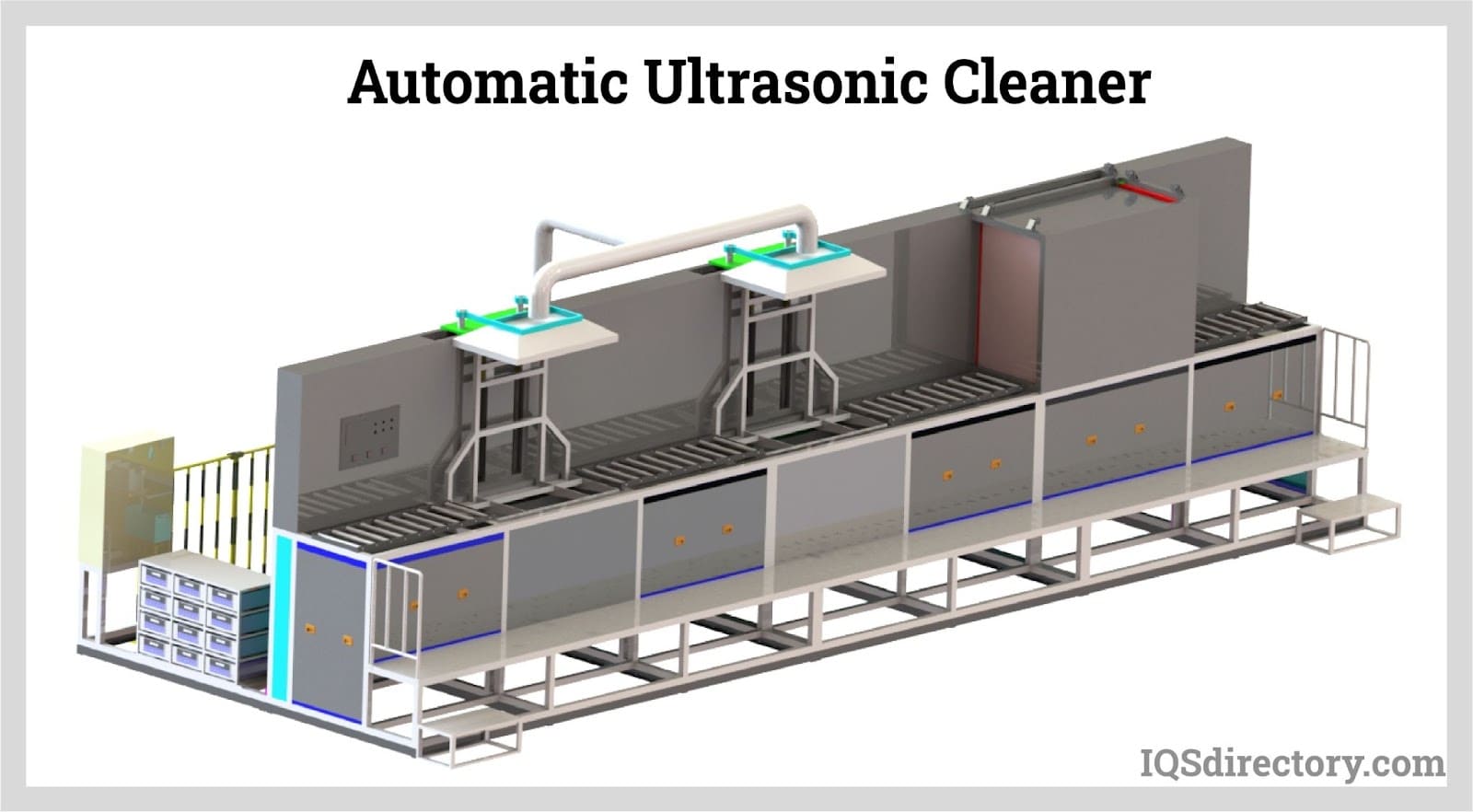
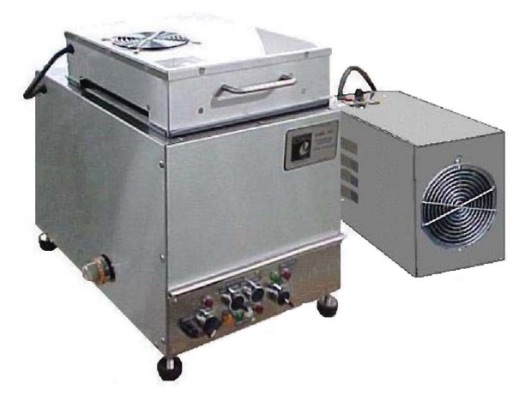
Ultrasonic cleaners use high-frequency sound waves to produce bubbles that perform a scrubbing action on a range of items to clean them where other methods cannot. Tanks are a critical component of ultrasonic cleaning equipment and are made out of metal; stainless steel is the most popular choice because its smooth surface has corrosion resistant properties that allow the tank to be cleaned and sanitized quickly and easily. Read More…
Since 1972, Esma Inc. has been producing quality ultrasonic cleaners, as well as benchtop electropolishing equipment. Esma offers a unique and progressive approach to automating the ultrasonic cleaning process.
Giant Finishing, Inc. is a worldwide manufacturer and supplier of finishing equipment. We are a family owned business with over 25 years of experience in the industry. Our goal is to provide quality equipment and quality customer service for all surface finishing needs, and we supply equipment, chemicals, compounds, and finishing media to companies around the world. Visit our website or call us...

Great Lakes Finishing Equipment, Inc. is a full line supplier of aqueous and semi-aqueous ultrasonic cleaning equipment. Equipment includes benchtop cleaners, tank and generator series, immersible transducers, console systems and engineered systems. Our customers include defense, aerospace, medical, firearms and industrial.
We specialize in ultrasonic cleaning technology that redefines precision and efficiency across industrial applications. At Emerson, we design and manufacture advanced ultrasonic cleaning equipment engineered to remove contaminants from complex parts with unmatched thoroughness.

At SHARPERTEK USA, we specialize in delivering advanced ultrasonic cleaning equipment that meets the highest standards of precision, reliability, and performance. Based in the United States, we design and manufacture a full line of ultrasonic cleaners that serve industries ranging from medical and dental to aerospace, automotive, and industrial manufacturing.
We take pride in being innovators at Mettler Electronics Corp, where we specialize in developing high-performance ultrasonic cleaning equipment trusted by professionals across industries. Our systems are designed to deliver powerful, precise cleaning through advanced ultrasonic technology that removes contaminants from intricate surfaces with efficiency and care.




More Ultrasonic Tank Manufacturers
Comprehensive Guide to Ultrasonic Tanks: Selection, Applications, and Industry Use Cases
Ultrasonic tanks are essential components in the ultrasonic cleaning process, providing a controlled environment for the removal of contaminants from a wide range of objects and precision parts. These tanks must be both air-tight and water-tight to ensure optimal performance, prevent leakage, and maintain the integrity of the ultrasonic cleaning solution. Their construction and design are critical for achieving thorough and efficient cleaning results across various industries.
Types, Shapes, and Sizes of Ultrasonic Cleaning Tanks
Ultrasonic tanks are available in an array of shapes and sizes, each tailored to specific cleaning applications and object geometries. For instance:
- Standard Rectangular Tanks: Versatile and suitable for most small to medium-sized components.
- Oblong or Elongated Tanks: Designed for cleaning long, vertical items such as golf clubs, surgical instruments, or window blinds. Oblong ultrasonic blind cleaners accommodate window treatments efficiently without bending or damaging delicate parts.
- Custom Ultrasonic Tanks: Engineered to meet specialized requirements, including oversized industrial equipment or intricate assemblies.
When selecting an ultrasonic tank, consider the dimensions, shape, and volume of objects to be cleaned. For example, to clean long items like golf clubs, the tank must have sufficient depth and length to fully submerge the item for uniform ultrasonic cavitation.
Key Components of Ultrasonic Cleaning Systems
A complete ultrasonic cleaning system comprises three primary parts:
- Ultrasonic Tank: Holds both the cleaning solution and the items to be cleaned.
- Ultrasonic Transducer: Generates high-frequency ultrasonic waves that create cavitation bubbles in the liquid.
- Ultrasonic Generator: Supplies power and controls the frequency and intensity of the ultrasonic waves.
Additional features often found in modern industrial ultrasonic tanks include:
- Integrated Drains: For easy emptying and cleaning.
- Spray Nozzles: Facilitate rinsing and continuous fluid movement.
- Thermostatic-controlled Heating: Maintains the optimal cleaning solution temperature to enhance cavitation and cleaning efficiency.
- Open or Lidded Designs: Lids help retain heat and prevent evaporation or contamination.
- Parts Baskets, Rotating Holders, and Oscillating Systems: Ensure even exposure to ultrasonic waves and maximize cleaning effectiveness, especially for multiple or irregularly-shaped items.
How Does Ultrasonic Tank Cleaning Work?
The ultrasonic cleaning process relies on a phenomenon called cavitation. When the transducer introduces high-frequency ultrasonic sound waves into the liquid-filled tank, it produces millions of microscopic vacuum bubbles. These bubbles rapidly form and collapse, releasing intense energy and heat that physically dislodge contaminants from the surfaces—and even hidden crevices—of immersed objects.
This method is highly effective for removing oils, dust, grease, flux, carbon deposits, and other stubborn residues from a variety of materials, including metals, plastics, ceramics, glass, and rubber. It is important that metal objects do not make direct contact with the sides or bottom of the tank to prevent scratching due to transducer-induced vibrations, particularly when cleaning delicate items such as jewelry or precision components.
Industries and Applications for Ultrasonic Tanks
Ultrasonic tanks are trusted across a wide spectrum of industries for their ability to deliver consistent, non-destructive, and thorough cleaning. Common sectors and their applications include:
- Medical and Dental: Sterilizing surgical instruments, dental tools, and laboratory glassware by removing blood, tissue, and biofilms.
- Pharmaceutical: Cleaning production equipment, vials, ampoules, and precision dosing components to uphold stringent hygiene standards.
- Automotive: Degreasing carburetors, fuel injectors, pistons, and other engine components for improved performance and longevity.
- Electronics: Removing flux, solder paste, and particulate contaminants from printed circuit boards (PCBs) and connectors.
- Aerospace and Defense: Cleaning complex assemblies, weapons, and avionics to ensure reliability and safety.
- Marine: Removing barnacles, algae, and corrosion from propellers, pumps, and heat exchangers.
- Sports Equipment: Restoring golf clubs, tennis rackets, and other gear by removing dirt, grass, and debris.
- Food and Beverage Processing: Sanitizing processing machinery, filling heads, and packaging equipment to prevent contamination and maintain product quality.
- Jewelry and Watchmaking: Cleaning precious metals, gemstones, and intricate watch parts for renewed shine and functionality.
- Optics: Cleaning lenses and optical assemblies without scratching sensitive surfaces.
Researching the Right Ultrasonic Tank for Your Application?
If you’re researching ultrasonic cleaning tanks for your business or facility, consider these key questions:
- What types of materials and contaminants do you need to remove?
- What are the dimensions and shapes of objects you’ll be cleaning?
- What is your required cleaning capacity per cycle?
- Do you need advanced features (heating, filtration, automation, timers, digital controls)?
- Does your process require specific ultrasonic frequencies (low frequency for heavy-duty degreasing, high frequency for delicate cleaning)?
- What industry certifications or compliance standards must your ultrasonic tank meet?
Benefits of Ultrasonic Tank Cleaning
Ultrasonic tanks offer numerous advantages over traditional cleaning methods, making them a preferred choice for many industrial, commercial, and laboratory settings. Key benefits include:
- Superior Cleaning Power: Ultrasonic cavitation reaches complex geometries and blind holes that are inaccessible to manual scrubbing or spray washing.
- Time Efficiency: Automated cycles drastically reduce manual labor and cycle times, enabling higher throughput.
- Consistent Results: Uniform exposure to ultrasonic waves ensures repeatable, high-quality cleaning outcomes.
- Gentle on Delicate Parts: Non-abrasive cleaning preserves the integrity of sensitive components, such as electronics or optical lenses.
- Eco-Friendly: Reduces or eliminates harsh chemical usage, lowers water consumption, and minimizes hazardous waste generation.
- Cost-Effective: Lower maintenance, reduced downtime, and improved equipment longevity lead to substantial long-term savings.
- Scalable Solutions: Ultrasonic tanks are available in sizes ranging from benchtop laboratory units to large-scale industrial systems, supporting diverse operational needs.
Common Use Cases and Buyer Scenarios
Buyers exploring ultrasonic cleaning tanks often have specific requirements and expectations. Here are some common use cases and scenarios to help guide your purchasing decision:
- Manufacturing Facilities: Routine cleaning of tooling, molds, dies, and production parts to maintain quality and reduce defects.
- Automotive Workshops: Reconditioning engine components, transmission parts, and fuel system assemblies for better performance.
- Medical Device Reprocessing Centers: Sterilizing and cleaning surgical instruments between procedures to comply with health regulations.
- Electronics Repair Shops: Restoring circuit boards and connectors by removing oxidation and conductive debris.
- Watch and Jewelry Stores: Providing in-house cleaning services to enhance customer satisfaction and product appearance.
- University and Research Labs: Cleaning labware, glassware, and sensitive equipment to ensure experimental accuracy and reproducibility.
- Food Production Lines: Maintaining hygiene by cleaning conveyor belts, nozzles, and packaging tools.
Wondering how to choose the right ultrasonic tank for your specific application? Start by evaluating the nature of the items to be cleaned, expected throughput, space constraints, and desired automation level. For expert guidance, consult with ultrasonic tank manufacturers or distributors who can recommend the right ultrasonic cleaning equipment to suit your workflow and compliance requirements.
Factors to Consider When Purchasing an Ultrasonic Tank
The process of selecting the ideal ultrasonic tank for your facility involves several important decision factors. Here’s what to look for:
- Tank Size and Capacity: Must match the largest parts you intend to clean and the desired batch size.
- Material Construction: Most tanks are built from stainless steel for durability and corrosion resistance. Check for weld quality and structural reliability.
- Ultrasonic Frequency: Lower frequencies (20–40 kHz) are suited for heavy-duty cleaning, while higher frequencies (68–130 kHz) are ideal for precision and delicate items.
- Power Output: Higher wattages deliver stronger cavitation but may not be suitable for all materials. Balance cleaning power with part sensitivity.
- Heating and Temperature Control: Adjustable thermostats improve cleaning speed and efficacy, especially for removing oils and greases.
- Ease of Maintenance: Features like integrated drains, removable baskets, and accessible controls simplify operation and prolong tank life.
- Safety Features: Look for overheat protection, low liquid level sensors, and secure lids to safeguard users and equipment.
- Automation and Controls: Digital timers, programmable cycles, and remote monitoring enhance productivity and consistency—especially in high-volume or regulated environments.
- Manufacturer Reputation and Support: Choose a supplier with proven industry expertise, warranty coverage, and responsive technical support.
Comparing Ultrasonic Tanks to Other Cleaning Methods
Why choose ultrasonic cleaning tanks over traditional methods such as manual scrubbing, solvent soaking, or spray washing? Here’s how ultrasonic technology stands out:
- Thoroughness: Ultrasonic waves penetrate deep recesses and intricate geometries, ensuring uniform cleaning results that are hard to achieve manually.
- Speed: Cleaning cycles are significantly shorter, reducing downtime and boosting productivity.
- Safety: Minimizes exposure to hazardous chemicals and reduces operator fatigue.
- Precision: Ideal for applications demanding high cleanliness standards, such as semiconductor manufacturing, aerospace, and medical device processing.
Frequently Asked Questions About Ultrasonic Cleaning Tanks
- What is the typical lifespan of an ultrasonic tank? With proper maintenance, high-quality stainless steel ultrasonic tanks can last 10 years or more.
- How often should the cleaning solution be changed? Solution change frequency depends on contamination level and cleaning intensity, but regular monitoring ensures optimal results.
- Can ultrasonic tanks clean multiple items simultaneously? Yes, with appropriate baskets or holders, multiple objects can be cleaned in a single cycle—just ensure items are not touching each other or tank walls.
- Are ultrasonic tanks safe for all materials? While safe for most metals, plastics, ceramics, and glass, certain soft stones or porous materials may require caution. Always consult manufacturer recommendations.
- What maintenance is required? Regularly clean the tank, remove debris, inspect for leaks, and follow manufacturer guidelines for transducer and generator care.
Best Practices for Ultrasonic Tank Operation
- Pre-clean heavily soiled items to reduce contamination load and extend solution life.
- Use appropriate cleaning solutions formulated for ultrasonic use—never substitute with flammable or corrosive solvents not approved for ultrasonic operation.
- Arrange items in baskets so surfaces are exposed and do not touch each other or the tank walls.
- Follow recommended cycle times and temperatures for your specific application and material type.
- Rinse and dry items thoroughly after cleaning to remove solution residues and prevent spotting or corrosion.
Industry Trends and Innovations in Ultrasonic Cleaning Tanks
Recent advancements in ultrasonic tank technology include:
- Digital Controls and Smart Automation: Touchscreen panels, programmable cycles, and IoT connectivity for remote monitoring and process documentation.
- Multi-frequency Transducers: Allow switching between frequencies for versatile cleaning of diverse materials and contaminants.
- Integrated Filtration Systems: Continuously remove particles from the cleaning solution, extending its effective life and maintaining high cleaning standards.
- Energy Efficiency Improvements: Modern ultrasonic tanks use less power while delivering the same or better cleaning performance, reducing operational costs.
- Environmentally Friendly Designs: Systems engineered to minimize water, energy, and chemical use, helping organizations achieve sustainability goals.
Ready to Explore Ultrasonic Tank Solutions?
Whether you’re an operations manager, lab technician, or procurement specialist, investing in an ultrasonic cleaning tank can deliver measurable improvements in efficiency, safety, and product quality. Start your search by identifying your application requirements, evaluating leading manufacturers, and comparing features, certifications, and after-sales support.
For more detailed guidance or to request a custom quote, contact an ultrasonic tank manufacturer or authorized distributor. Explore case studies, product datasheets, or request a demo to see how ultrasonic cleaning can transform your workflow.
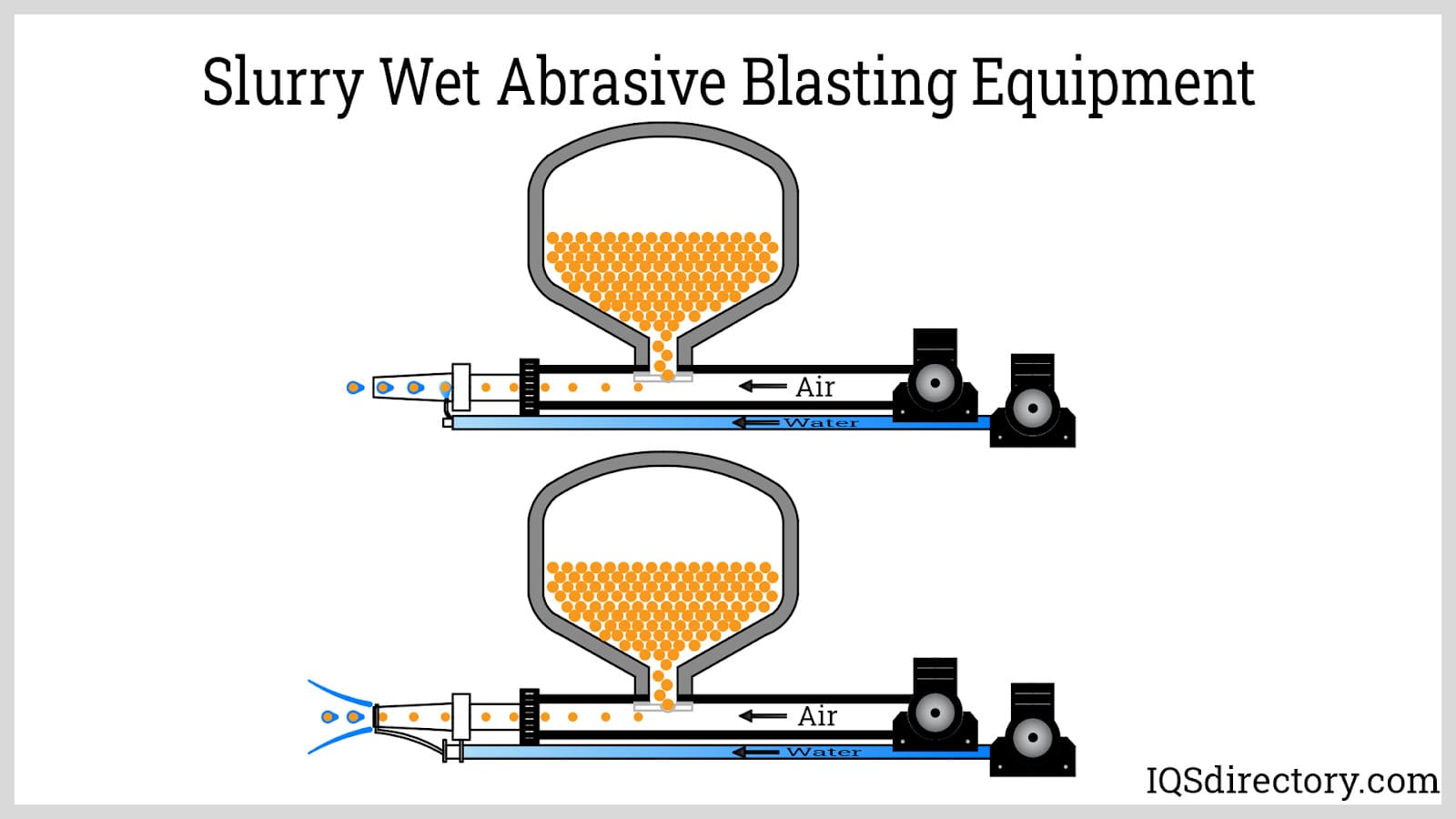
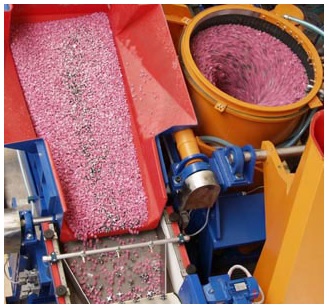 Deburring Machinery
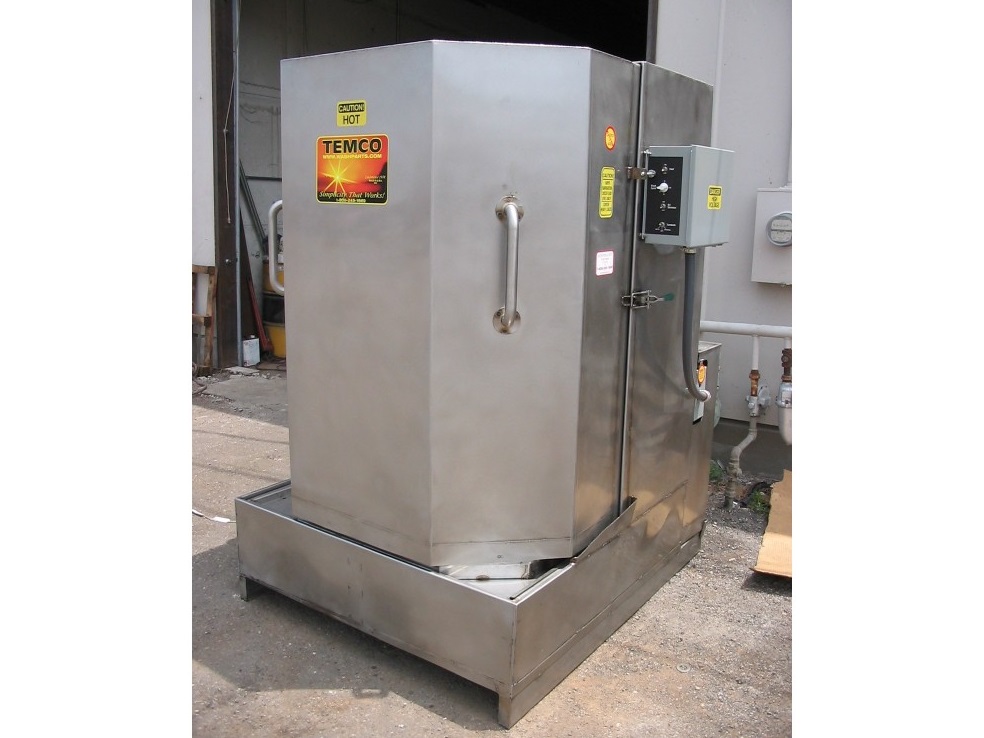 Industrial Parts Washers
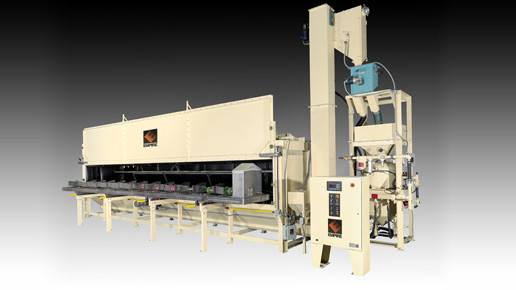 Sandblast Equipment
 Ultrasonic Cleaners
 Castings & Forgings
 Bulk Material Handling
 Electrical & Electronic Components
 Flow Instrumentation
 Hardware
 Material Handling Equipment
 Metal Cutting Services
 Metal Forming Services
 Metal Suppliers
 Motion Control Products
 Plant & Facility Equipment
 Plant & Facility Supplies
 Plastic Molding Processes
 Pumps & Valves
 Recycling Equipment
 Rubber Products & Services